

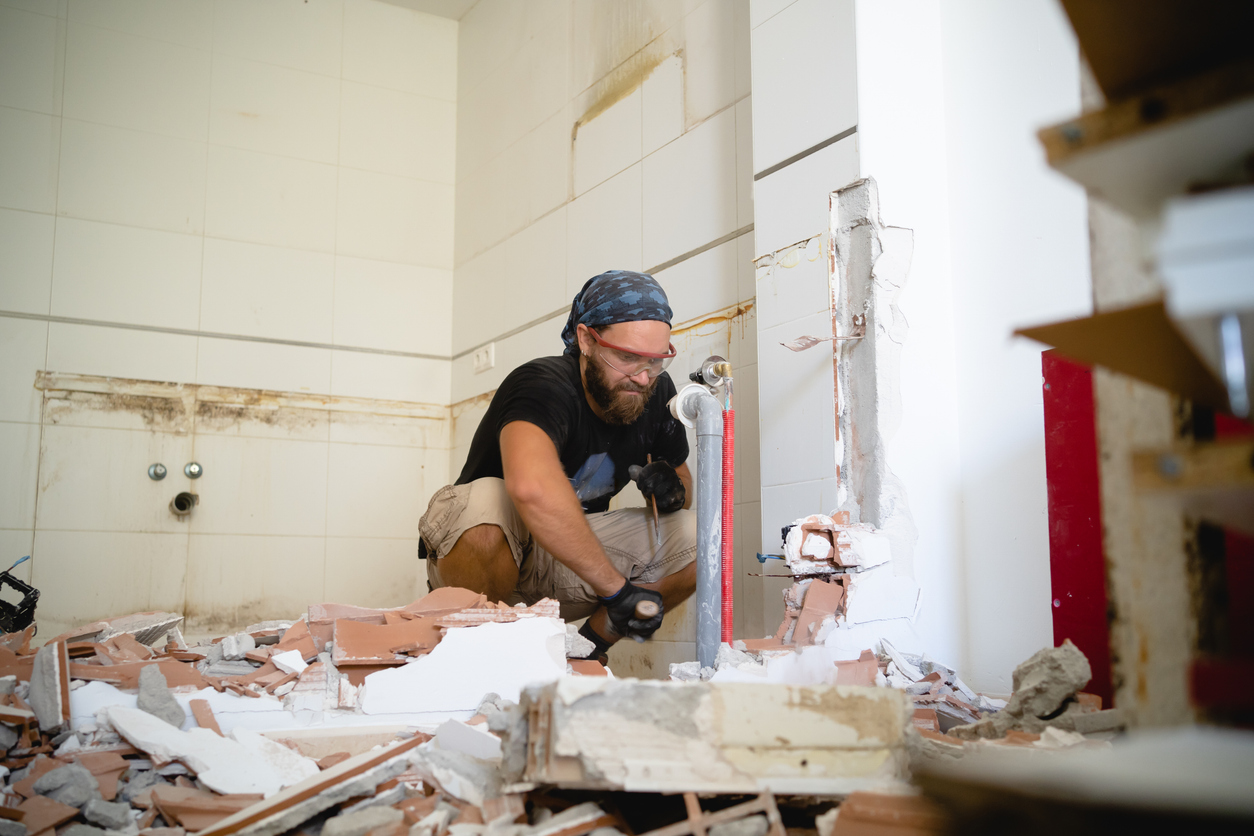
Planning a Bathroom Remodel in Denver? The Plumbing Decisions to Make Before Demo Day
A bathroom remodel is one of those projects where the exciting part — tile, fixtures, that walk-in shower you’ve been pinning for years — sits right on top of the part nobody thinks about until it’s a problem. The plumbing behind the walls decides whether your new bathroom works as well as it looks, and it’s far cheaper to plan for it before demo day than to discover it mid-project.
Here’s what actually needs a decision before the first tile comes off the wall.
Know What’s Behind the Walls First
Before you finalize a single design choice, you need an honest picture of your existing plumbing. Homes over 20 to 25 years old often have galvanized or early copper supply lines that are corroding from the inside, even if they look fine from the outside. A plumbing inspection before you start gives you pipe condition, water pressure, and drain line health — information that changes your remodel budget more than almost anything else on this list. Finding out your supply lines are failing after the new tile is set is the most expensive version of this discovery.
Deciding Whether to Reposition Fixtures
Moving a toilet, sink, or shower even a few feet sounds simple on a mood board but usually means rerouting drain lines, vent stacks, and supply lines — work that’s dramatically more involved than swapping a fixture in place. If your remodel plan includes relocating anything, loop in kitchen and bathroom remodeling plumbing early, before the layout is locked with your designer or contractor. It’s the difference between a straightforward installation and an open-floor exploratory project once walls are already down.
Supply Line Age and Material
If your home still has original supply lines and you’re already opening the walls, a remodel is the cheapest time you’ll ever have to address them. Replacing a section of aging pipe while the wall is already open costs a fraction of doing it as a standalone job later. Repiping during a remodel also means you can match new fixtures to modern water pressure standards instead of working around decades-old plumbing that was never sized for a rainfall shower head or double vanity.
Water Heater Capacity for New Fixtures
A soaking tub, a rainfall shower, or a second shower head all increase hot water demand, and your existing water heater may not have been sized for it. If your remodel adds fixtures or a larger tub, it’s worth confirming your water heater can keep up before you’re standing in a half-finished shower discovering it can’t. For bathrooms with higher demand or limited space, a tankless water heater is also worth evaluating during the planning phase, since retrofitting one later means reopening finished walls.
Shutoff Valves and Water Lines
Older bathrooms sometimes lack individual shutoff valves at the fixture, meaning any future repair requires shutting off water to the whole house. A remodel is the right time to add them. If your home’s main water line is also aging — especially in homes built before the 1980s — it’s worth asking your plumber to check it alongside the bathroom work, since water line repairs and installation are far easier to coordinate during a remodel than afterward.
Don’t Forget the Small Fixtures
Garbage disposals aren’t bathroom fixtures, but if your remodel budget and timeline overlap with kitchen work, it’s worth checking in on garbage disposal repairs and installations at the same time — bundling smaller plumbing jobs into one visit is usually more efficient than scheduling them separately.
Why Planning the Plumbing First Saves the Whole Project
Every decision above gets cheaper and easier the earlier it happens. A plumber who sees your layout before demo can flag problems while they’re still a conversation, not a change order. Rooter66 works directly with Denver homeowners and contractors to inspect existing plumbing, advise on fixture repositioning, and handle supply line, water heater, and water line work as part of the remodel — so the beautiful bathroom you’re planning is also one that holds up.
If you’re starting to plan a remodel, call Rooter66 before demo day. A short conversation now about what’s behind your walls can save you from an expensive surprise once they’re open.
Frequently Asked Questions
Do I need a plumbing inspection before a bathroom remodel?
Yes, especially in homes over 20 years old. A plumbing inspection checks pipe condition, water pressure, and drain line health before any walls come down. This gives you an accurate picture of your remodel budget upfront, rather than discovering failing supply lines or damaged pipes after tile and fixtures are already installed, when fixing them costs significantly more.
Can I move my toilet or shower during a remodel?
Yes, but repositioning any fixture means rerouting drain lines, vent stacks, and supply lines behind the wall — work that’s far more involved than replacing a fixture in its existing spot. If your layout plan includes relocating anything, bring in a plumber early, before the design is finalized with your contractor, to avoid costly mid-project surprises.
Will my existing water heater handle new fixtures?
It depends on how much hot water demand you’re adding. A soaking tub, rainfall shower, or second shower head can exceed what your current unit was sized for. Confirming capacity during planning, rather than after installation, prevents a half-finished bathroom from revealing a water heater problem. A tankless water heater is worth evaluating for higher-demand setups.
Should I replace old supply lines during the remodel?
If your walls are already open for the remodel, yes — this is the cheapest opportunity you’ll have. Replacing aging galvanized or early copper supply lines while the wall is already exposed costs a fraction of doing the same job later as a standalone project, and it lets new fixtures run at proper modern water pressure.
Do bathrooms need individual shutoff valves?
Yes. Without a dedicated shutoff at each fixture, any future repair means shutting off water to the entire house, which is inconvenient and unnecessary. Adding individual valves during a remodel is a small, inexpensive addition at this stage, and it makes every future repair or fixture swap simpler and faster for years to come.


