

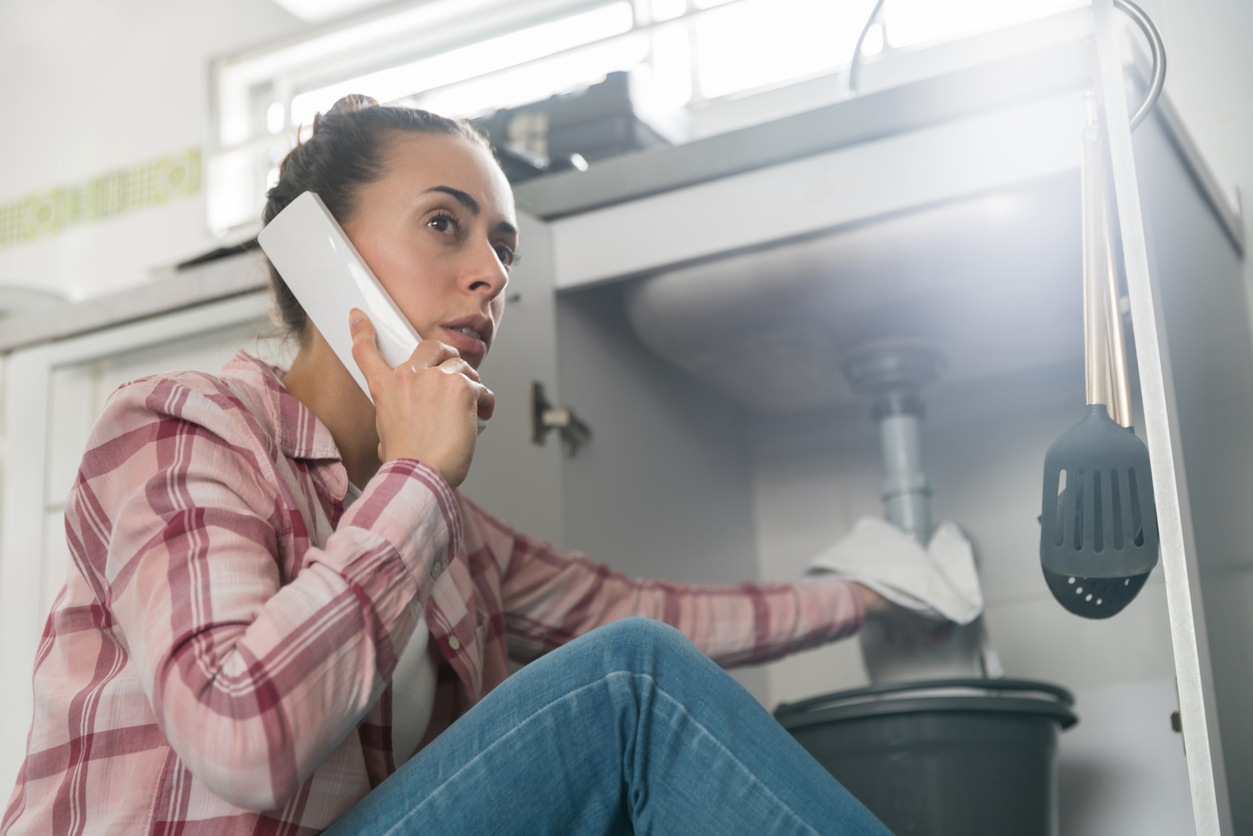
Denver Area Plumbing Problems That Get Worse the Longer You Wait — and What to Do About Each One
Denver and its surrounding suburbs — Aurora, Broomfield, Thornton, Northglenn, Westminster — share a common plumbing challenge that doesn’t affect most of the country: clay soil. The Front Range sits on expansive soils that swell dramatically when wet and shrink when dry. That cycle puts constant movement stress on underground pipes, accelerates joint separation in older sewer laterals, and is the reason Denver homeowners deal with sewer line problems at a higher rate than the national average.
Add to that the region’s aging housing stock — particularly in established neighborhoods where original cast iron drain lines and galvanized supply pipes are still in service — and you have a market where plumbing problems tend to compound quietly until they become expensive. This guide covers the six plumbing issues Rooter 66 responds to most frequently across the Denver metro, and the point at which each one stops being manageable and starts being urgent.
Common Plumbing Repairs: The Problems That Show Up Without Warning
Most plumbing repairs fall into a short list of recurring categories — leaking supply lines, dripping faucets, running toilets, failed shutoff valves, and corroded fixture connections. Individually, many of these seem minor. Collectively, or when left unaddressed, they account for a significant portion of residential water damage and inflated water bills.
Leaking supply line connections
Supply lines — the braided or corrugated connectors between the shutoff valve and the fixture — have a limited service life that most homeowners don’t track. Plastic connectors tend to become brittle over time; braided stainless lines can fail at their crimped ends. A slow drip under a sink or behind a toilet often originates here. The repair itself is straightforward, but the water damage that accumulates in a cabinet or wall over weeks or months is not.
Running and phantom-flush toilets
A toilet that runs continuously or that refills without being flushed is wasting water at a rate most households notice on their bill before they notice the noise. The cause is almost always a failed flapper, a corroded flush valve seat, or a float that isn’t seating correctly. Left unaddressed, a running toilet can waste 200 gallons or more per day — enough to add $30 to $50 to a monthly water bill in the Denver metro, depending on the municipality’s rate structure.
Shutoff valve failure
Shutoff valves on supply lines to toilets, sinks, and appliances are designed to close when needed — not to be operated regularly. Valves that haven’t been turned in years often seize open or fail to seat properly when they finally need to close. Discovering this during an active leak, when a fast shutoff matters, is a genuinely bad situation. Replacing aging or seized shutoff valves proactively is a straightforward repair that eliminates the risk of being unable to stop water flow during a pipe failure or appliance swap.
Plumbing Inspections: What You Learn Before Buying a Denver Home — or Selling One
A general home inspection includes a basic plumbing check, but it doesn’t go deep enough to identify what’s actually happening inside the pipes or underground. A dedicated plumbing inspection by a licensed plumber closes that gap — it’s the difference between knowing the fixtures appear functional and knowing the condition of the system that feeds them.
Pre-purchase inspections in the Denver metro
Denver’s competitive real estate market has created a generation of buyers who waived inspection contingencies to win offers. Many of those buyers are now discovering problems that a proper plumbing inspection would have surfaced: original galvanized supply lines at the end of their service life, sewer laterals with root intrusions or cracked joints, water heaters that are well past replacement age, and drain lines with partial blockages that become full blockages after move-in. A pre-purchase plumbing inspection — which includes a camera run through the sewer lateral — is one of the better investments a buyer can make before closing.
Pre-listing inspections for sellers
Sellers who complete a plumbing inspection before listing have a measurable advantage: they know what will come up in the buyer’s inspection, and they can address it on their timeline and at their cost rather than responding to a repair credit demand in the middle of negotiation. In a market where buyers are more cautious than they were two years ago, a pre-inspected home with documented plumbing condition provides tangible differentiation.
Kitchen and Bathroom Remodeling: Why the Plumbing Comes First
The sequence of a bathroom or kitchen remodel matters more than most homeowners realize going in. Plumbing rough-in has to be right before any tile, cabinetry, or finish work begins — because correcting a drain location or supply stub-out after tile is set involves demolition, not just adjustment. Rooter 66’s kitchen and bathroom remodeling services are built around getting the plumbing infrastructure correct at each stage so the rest of the project can proceed on a clean foundation.
Bathroom remodel plumbing considerations
- Drain relocation: Moving a toilet, shower drain, or tub drain in a slab-on-grade home requires saw-cutting the concrete, relocating the drain line, and re-pouring. This is frequently the longest lead-time item in a bathroom remodel and needs to be planned before demolition begins.
- Shower valve and volume control: Modern thermostatic and pressure-balancing shower valves require specific rough-in dimensions that differ by manufacturer. Setting the rough-in incorrectly means the trim kit won’t cover the valve body after tile is installed.
- Wet wall confirmation: Verify that supply lines and drain penetrations through walls align with the fixture selections before any framing changes or tile backer goes up.
Kitchen remodel plumbing
Kitchen island plumbing is one of the more common remodel complications in Denver homes. Running a drain line to a kitchen island requires sufficient slope back to the main stack — something that slab-on-grade construction doesn’t always accommodate without saw-cutting. Addressing this at the planning stage, rather than after cabinetry is delivered, keeps the project timeline intact.
Repiping: When Repair After Repair Signals It’s Time to Replace
Galvanized steel supply pipe has a service life of approximately 40 to 70 years depending on water chemistry and usage patterns. Denver’s water supply, sourced primarily from the South Platte watershed and treated for hardness, is relatively pipe-friendly — but galvanized pipe in Denver metro homes built in the 1950s, ’60s, and early ’70s is at or beyond that range. A whole-home repiping replaces the supply system with modern PEX or copper, restoring full water pressure, eliminating corrosion in the water supply, and ending the cycle of recurring repairs to a system that has degraded past the point of being reliably patched.
Signs repiping is the right call rather than another repair
- Water pressure at fixtures has declined noticeably over several years — not suddenly, but gradually
- Rust-colored water at cold taps, particularly in the morning before the line has been flushed
- Two or more pinhole leaks have occurred in different locations within 12 months
- Visible corrosion, flaking, or mineral buildup on exposed pipe sections in utility areas
- A pipe section has been repaired with a coupling or clamp that a previous plumber described as temporary
Repiping is a multi-day project that involves opening walls at strategic points and running a new line throughout the home. The disruption is real, but it’s a known quantity — unlike the unpredictable pattern of individual failures in a deteriorated system. Rooter 66’s repiping service includes a full system assessment before any work begins, so the scope and timeline are accurate.
Sewer Line Repair and New Sewer Line Installs: The Underground Work That Can’t Be Delayed
Of all the plumbing systems in a home, the sewer lateral — the pipe that runs from the house to the city main — is the one most affected by Denver’s expansive clay soils. Every wet-dry cycle in the soil puts lateral movement stress on the pipe, particularly at joints. Over time, that movement causes joint separation, bellying (low spots where water and waste pool instead of flowing), and root intrusion at cracked joints. None of these problems resolve on their own.
Sewer line repair
The scope of a sewer line repair depends on the location, extent, and type of damage. A localized joint failure or a section of pipe with root intrusion can often be addressed with a point repair — excavating the specific damaged section, replacing it, and restoring flow without disturbing the rest of the lateral. More extensive damage — multiple bellied sections, widespread joint separation, or a lateral that is beyond 50% occluded with root mass — typically requires either full replacement or a trenchless liner installation, which rehabilitates the existing pipe from the inside without full excavation.
New sewer line installation
New sewer line installs come up in three primary scenarios in the Denver metro: newly constructed homes or ADUs (accessory dwelling units) that need a lateral connection to the city main, properties where the existing lateral has failed beyond repair, and older homes where the original clay or Orangeburg sewer pipe has deteriorated past the point of rehabilitation. A new install is sized and routed to current code, which in Deschutes County and across most Front Range municipalities means a 4-inch PVC lateral with a cleanout at or near the foundation and a second cleanout near the property line.
Denver area homeowners adding ADUs — a growing category given the city’s accessory unit policy changes — frequently discover that their existing sewer lateral doesn’t have the capacity for the added unit, or that the routing from the ADU location to the main doesn’t allow sufficient slope. A sewer assessment at the planning stage of an ADU project is worth doing before permits are pulled.
Address It Before the Season Changes
Denver’s freeze-thaw cycle adds urgency to any plumbing issue that involves outdoor or underground components. A sewer lateral with a developing joint separation is significantly more likely to fail during a harsh freeze. A supply line repair that’s been put off becomes a burst pipe risk when temperatures drop below zero for a week in January.
Whether the issue is a recurring plumbing repair that suggests a deeper problem, a plumbing inspection before a home purchase or sale, a kitchen or bathroom remodel that needs proper rough-in, a repiping project that ends the cycle of failing pipes, a sewer line repair, or a new sewer line installation for an addition or ADU — the right time to address it is before Denver’s next seasonal extreme, not after.
Frequently Asked Questions
1. How do I know if my Denver home’s sewer line needs repair or full replacement?
A camera inspection is the only reliable way to know. It shows the actual condition of the pipe — whether damage is localized (a point repair candidate) or widespread (replacement). Signs that warrant an immediate inspection include slow drains throughout the house, sewage odors in the yard, soggy patches in the lawn without irrigation, or a history of root intrusion. Rooter 66’s sewer line repair service starts with a camera inspection before any repair recommendation is made.
2. What is repiping and how long does it take?
Repiping replaces the home’s supply pipe system — typically aging galvanized steel — with modern PEX or copper. It restores full water pressure, eliminates rust contamination, and ends recurring leak repairs caused by pipe degradation. In a typical Denver-area home, repiping takes two to three days. Water is shut off during active work but is restored each evening. Rooter 66’s repiping service includes a full system assessment and a detailed scope of work before any commitment is made.
3. What does a plumbing inspection cover that a general home inspection doesn’t?
A general home inspection checks that visible fixtures appear functional. A dedicated plumbing inspection goes further: camera inspection of the sewer lateral, pressure testing of supply lines, assessment of water heater age and condition, identification of galvanized or polybutylene pipe, and a check of all shutoff valve function. For Denver buyers, the sewer lateral camera inspection alone frequently surfaces problems that significantly affect negotiation.
4. Can I add a bathroom or relocate a kitchen sink during a remodel?
Yes, but it involves more than moving fixtures — it means relocating drain lines and supply rough-ins, which may require saw-cutting a slab-on-grade floor or opening walls. The feasibility and cost depend on where the existing drain stack is relative to the new fixture location and whether the slab depth allows sufficient slope. Rooter 66’s kitchen and bathroom remodeling service includes a pre-design site visit to confirm what’s possible and what the rough-in work actually involves before the project is scoped.
5. Does adding an ADU in Denver require a new sewer line?
Not always, but it often does. The existing lateral may not have adequate capacity for the added unit, or the routing from the ADU location may not allow a gravity-fed connection to the existing cleanout. A sewer assessment before ADU permits are pulled identifies whether the lateral can support the addition or whether a new sewer line installation is required. Addressing this at the planning stage avoids a permit or inspection hold mid-project.


